Date: …
Data reference day based on UTC · Values in your timezone
2. Today's Objective Data
Scientifically measured values and observations
Moon
Last Quarter in Virgo
↑…↓…
Moon calendar
Plant & harvest root vegetables · Pruning, hedges · Weeding
Space Weather
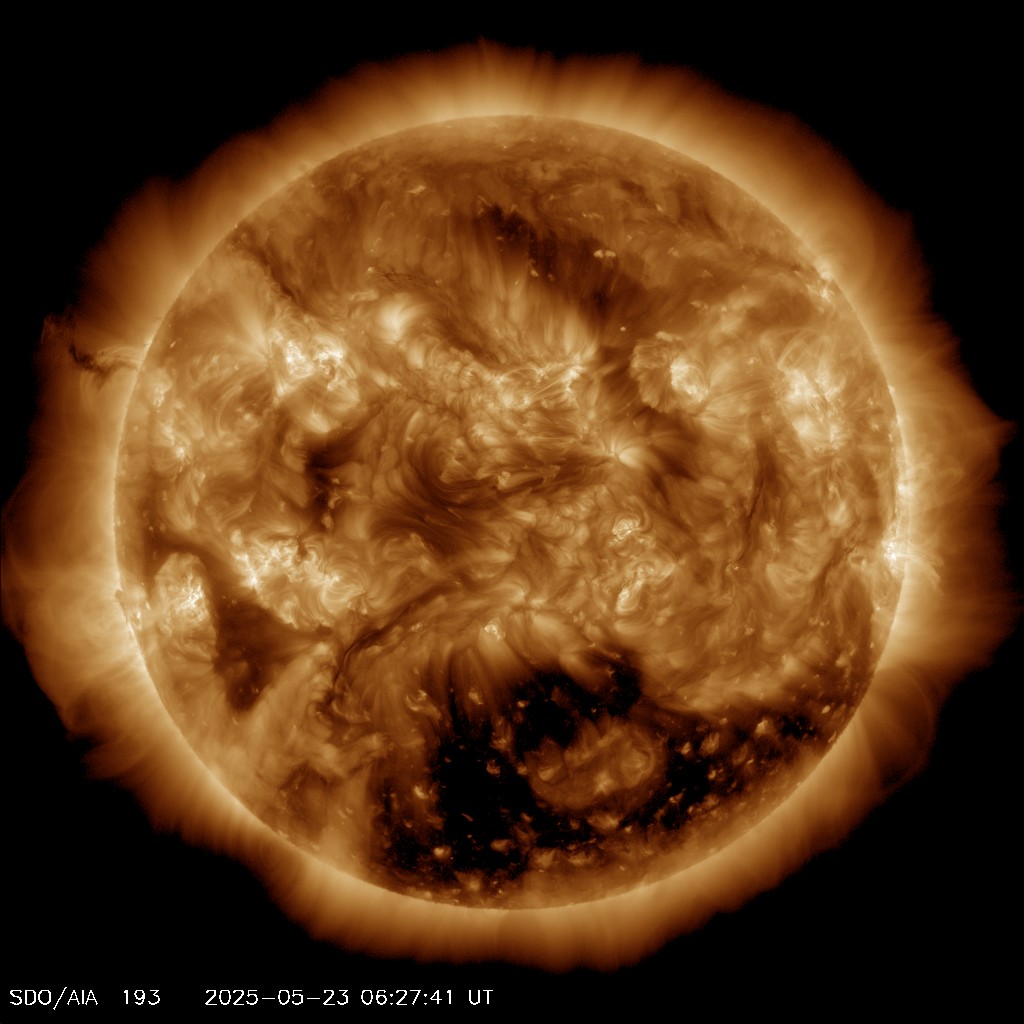

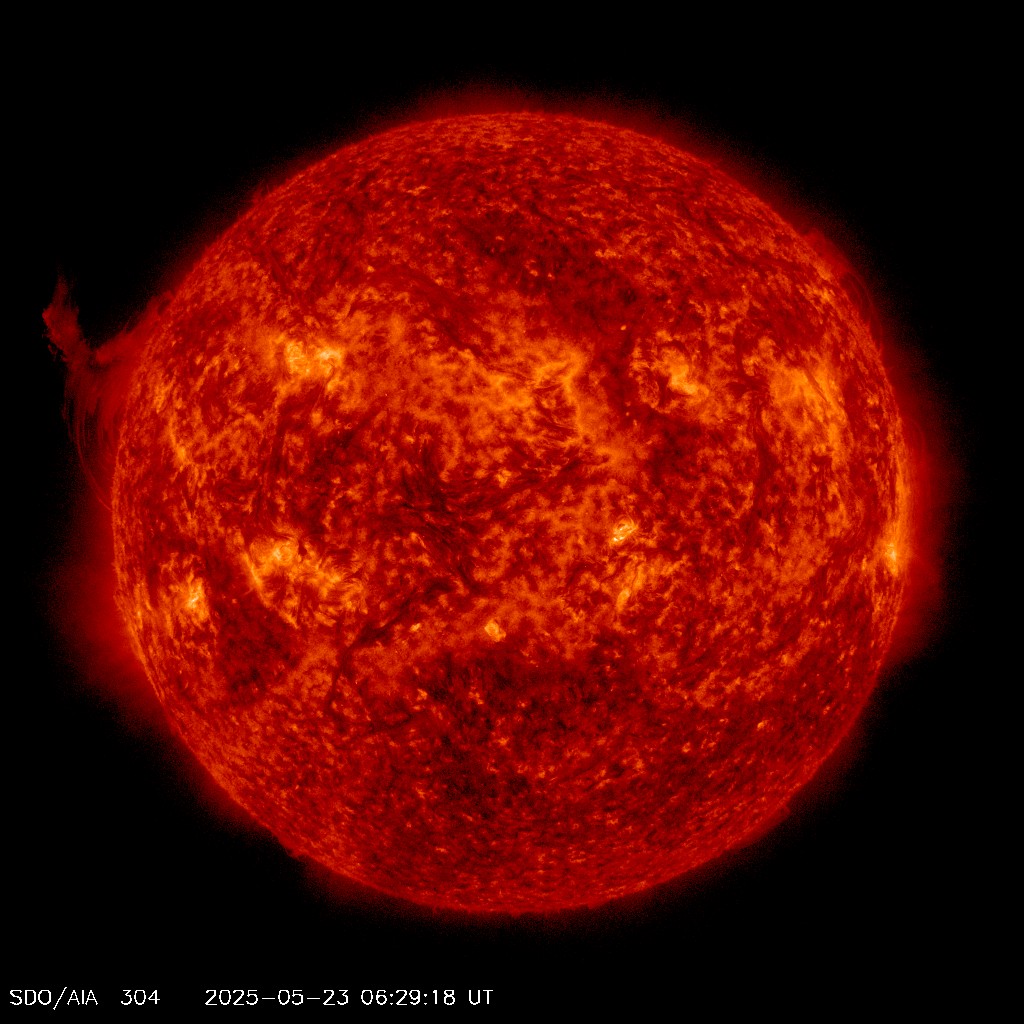
Kp 4.0 (G0)
Geomagnetic field slightly unsettled.
0Kp 4.09
Events today
CME×210:36 – 22:12 UTC
Solar flareM1.009:39 UTCS15E35
Schumann Resonance
The amplitude index of 0.8 is on the lower end of the range for this morning period, indicating relatively quiet Schumann resonance activity at 7 UTC.
Amplitude: 0.8
View live graph
Data: Cumiana VLF Station (vlf.it/cumiana), Schumann spectrogram
3. Deeper Interpretation
Detailed summary and meaning of today's signals
Daily Summary
Data currently unavailable
4. Symbolic & Cultural Interpretation
Traditional interpretations from numerology, lunar calendar, Mayan and Chinese calendars
Numerology
1
Beginnings, leadership, independence. Day for new projects and initiative.
Chinese Calendar
Year of the Horse (Fire)
Maya Calendar
13
Eb13 Eb
Haab: 10 Kumk'u
Day sign: White road – connection, communication, bridges
Dreamspell (Law of Time)
No kin (Day out of Time or leap day in the Dreamspell stream)
What does this mean?
Moon: Moon phase and moon sign: Current illumination of the moon (e.g. full moon, new moon) and the zodiac sign the moon is in. Rise and set times in your timezone.
Chinese Calendar: Chinese calendar: Lunisolar calendar with 12 zodiac animals (Rat, Ox, …) and 5 elements (Wood, Fire, Earth, Metal, Water). Each year has an animal and an element.
Maya Calendar: Maya calendar: Tzolkin (260-day cycle with 20 day names and 13 numbers) and Haab (365-day solar year). Kin = day in the Tzolkin.
Kp index: Kp index (0–9): Measures geomagnetic activity. 0–2 = quiet, 3–4 = unsettled, 5–6 = storm, 7+ = major storm. Affects radio, satellites, power grids.
Geomagnetic storm: Geomagnetic storm (G0–G5): Classification by Kp. G1 = minor, G5 = extreme. Strong storms can cause power outages and GPS disruption.
Solar flare: Solar flare: Eruption on the sun. Classes: C (weak), M (moderate), X (strong). Can cause radio blackouts and auroras.
CME: CME (Coronal Mass Ejection): Ejection of plasma from the sun. Can reach Earth 1–3 days later and trigger geomagnetic storms.
Schumann Resonance: Schumann resonance (~7.83 Hz): Natural electromagnetic frequency between Earth's surface and ionosphere, excited by lightning. Live graph shows amplitude and development over recent hours/days.
Numerology: Day number (numerology): Reduces the date to a number 1–9 or master number (11, 22, 33) using Pythagorean method. Traditional meaning as daily energy.